The most important words of English — and everything you need to teach them.
Free, corpus-based word lists and online tools — research-validated and used worldwide.
What is this?
Ten word lists
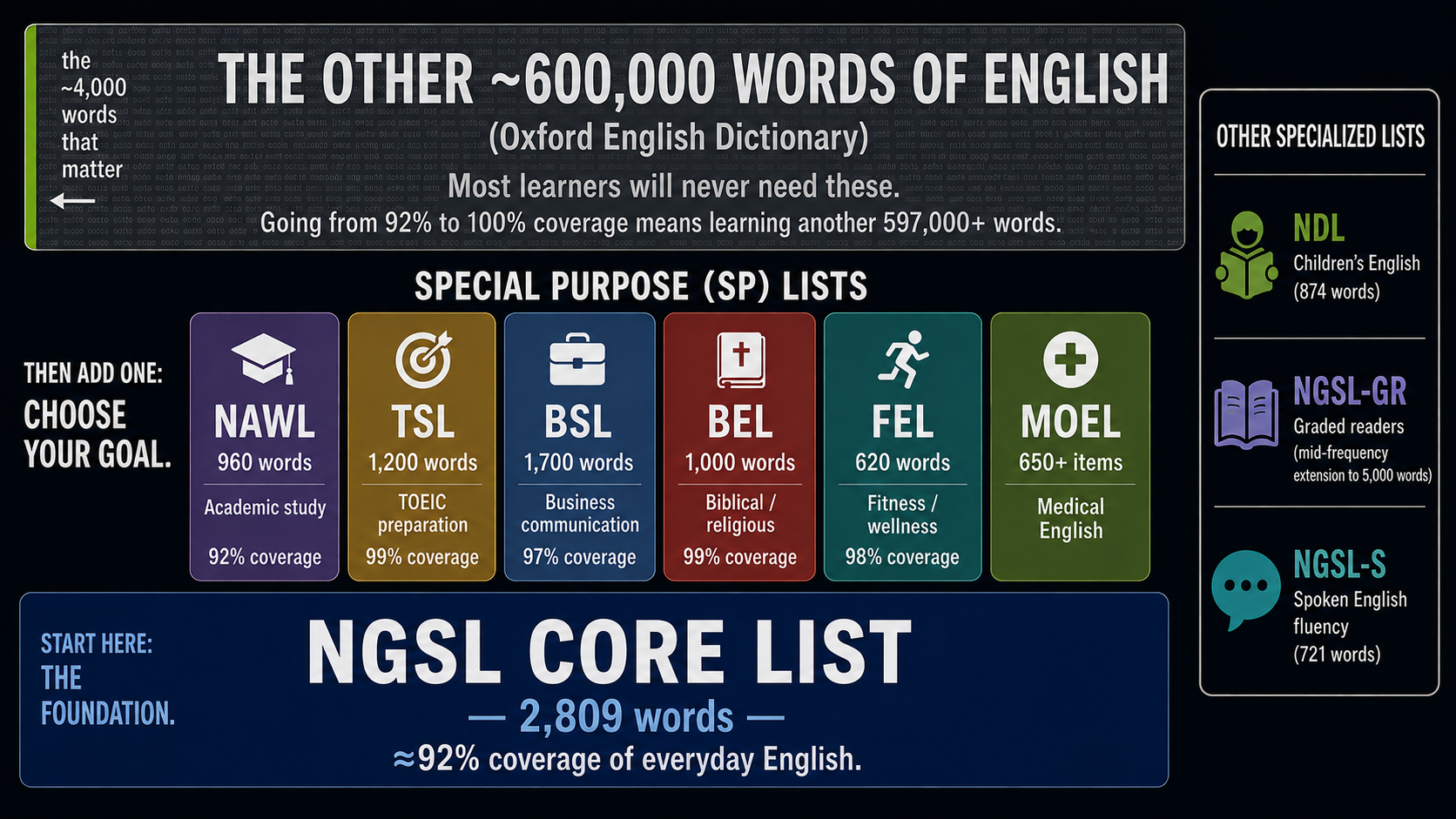
The core list is 2,809 words and covers 92% of everyday English. Six special-purpose lists extend it for academic, business, TOEIC, medical, fitness and biblical English. Three more stand alone: spoken English, children's English, and graded readers.
Free tools
An interactive learning dictionary linked to authentic videos, a text profiler for checking level, placement and diagnostic tests, flashcards, puzzles and games. Plus several new AI tools applying the lists to story creation and vocabulary practice.
Open since 2013
Free under Creative Commons, including commercial use. No accounts, no paywalls, no ads. Used by teachers, students, publishers and researchers in more than 90 countries.
The Word Lists
Start with the core list. Add what you need.
Every list is built from a large corpus and offers the highest coverage available for its purpose. The New General Service List is the core: 2,809 words covering roughly 92% of everyday English. From there, add the list that matches your learners' goals — academic, business, TOEIC, medical, fitness, or Bible English — to push coverage in that domain higher still.
Three further lists work independently: NGSL-Spoken for conversation, the New Dolch List for children's English, and NGSL-Graded Reader for developing graded readers.
New! Free AI tools built on our lists
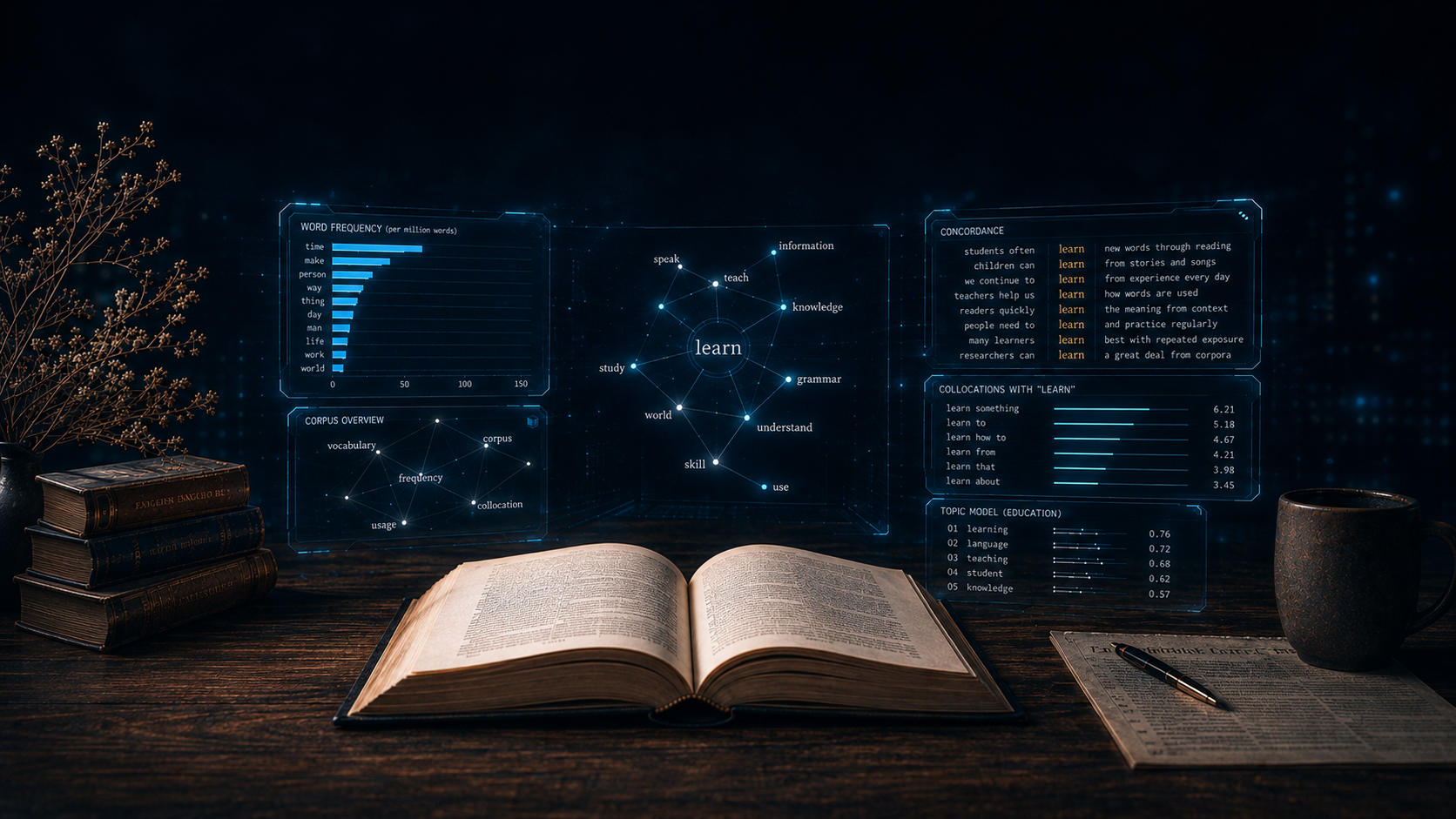
I've built a growing set of AI-powered tools that apply the word lists to everyday classroom problems — generating stories at a chosen level, building productive vocabulary through guided practice, creating readable stories for young learners, and simplifying or generating texts inside the NGSL Profiler.
These are early tools, built on established pedagogical principles. They'll keep evolving, and there will be more. What makes them different from general-purpose AI is that they work from the actual word lists rather than a model's guess at what's difficult.

Research-validated and used worldwide
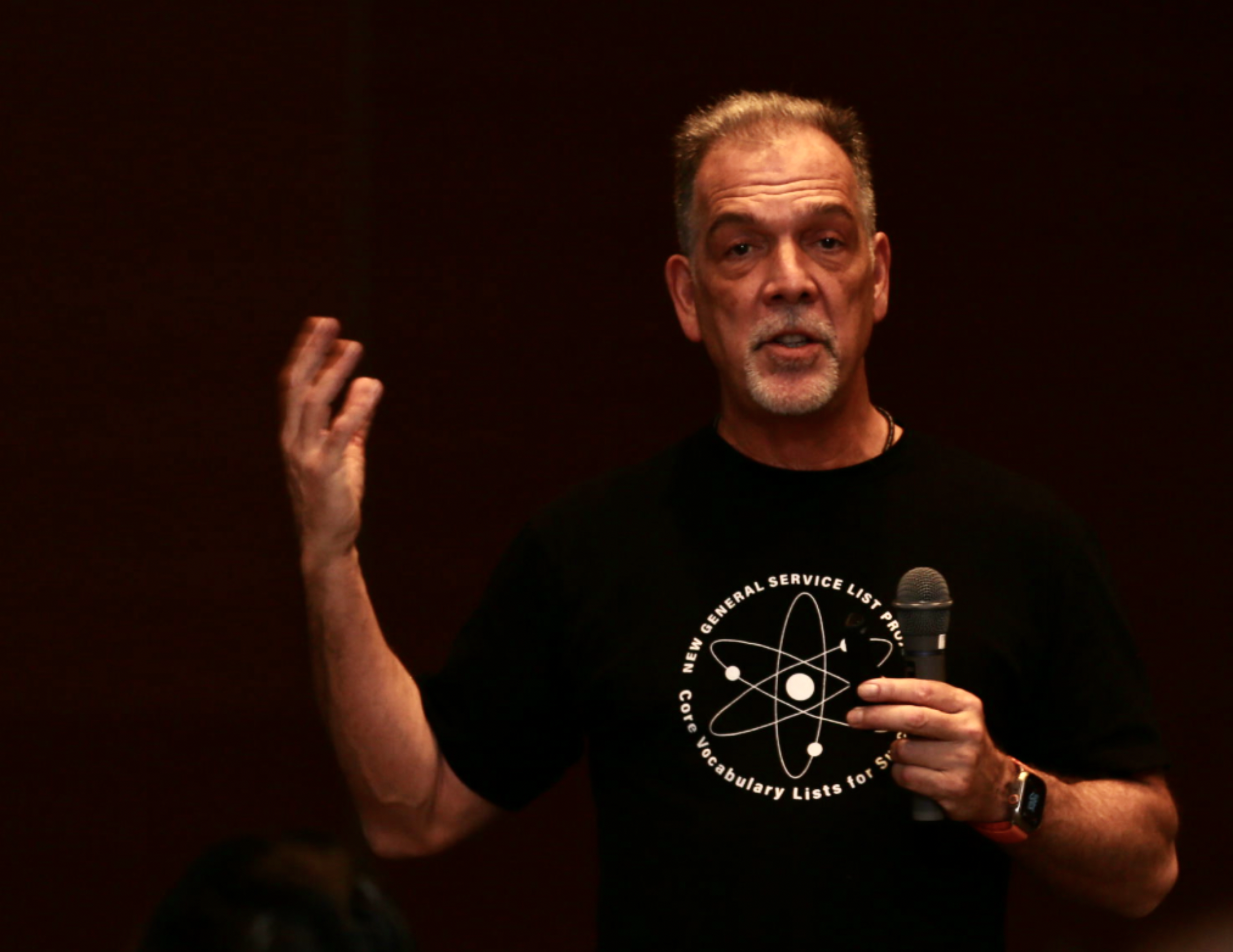
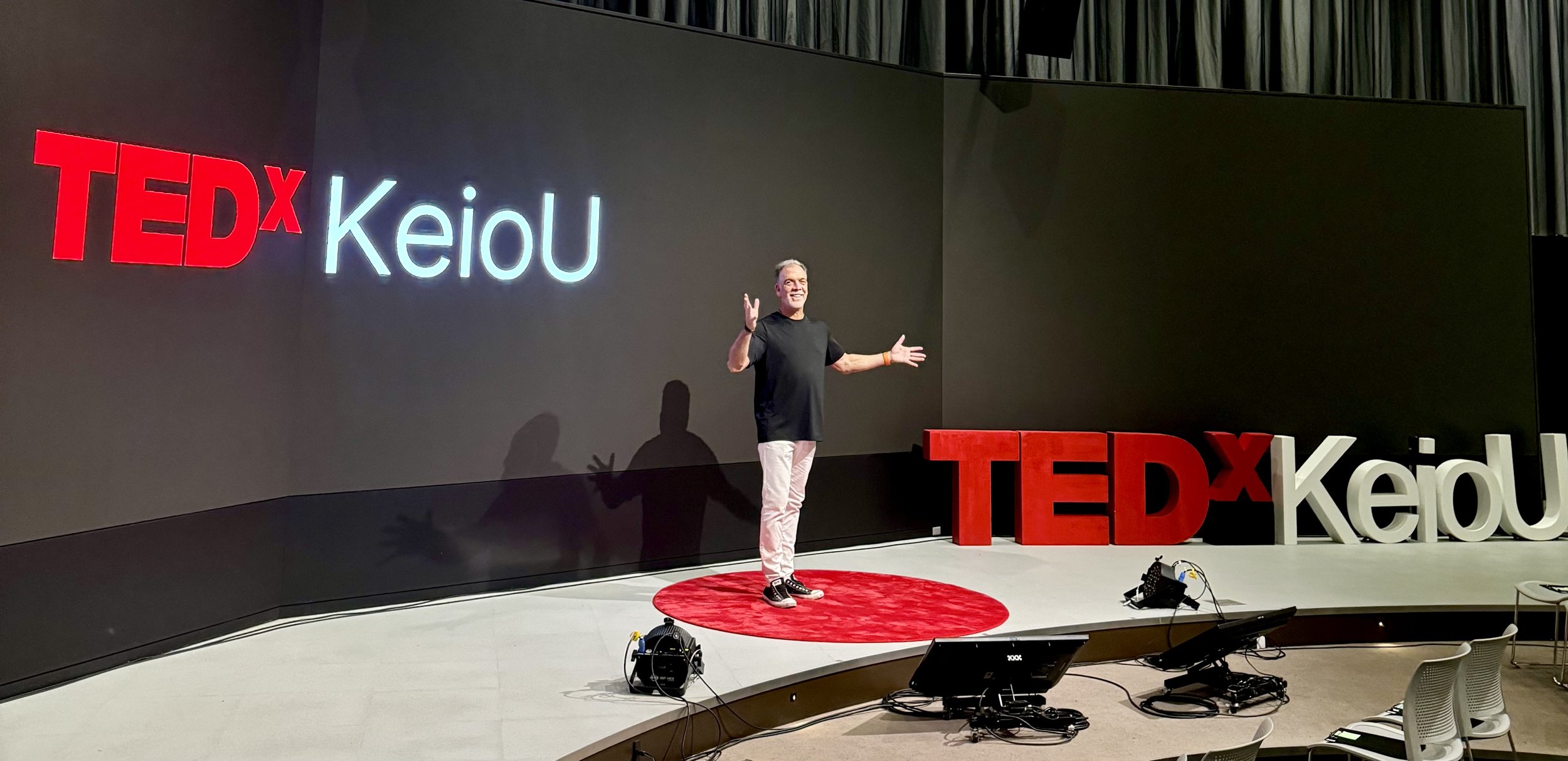
I've presented this work at conferences around the world — two TEDx talks, in 2015 and 2024, and more than 100 plenary or keynote addresses. The lists have been the subject of independent research and are cited in academic work.
This site has drawn more than 1.4 million visits since 2013, over 380,000 since I moved it to its current home in 2023, and over 109,000 in 2025 alone, from visitors in more than 90 countries. The lists are built into products at companies including GoFluent, EnglishCentral and Cooori.
Books and software built on the lists
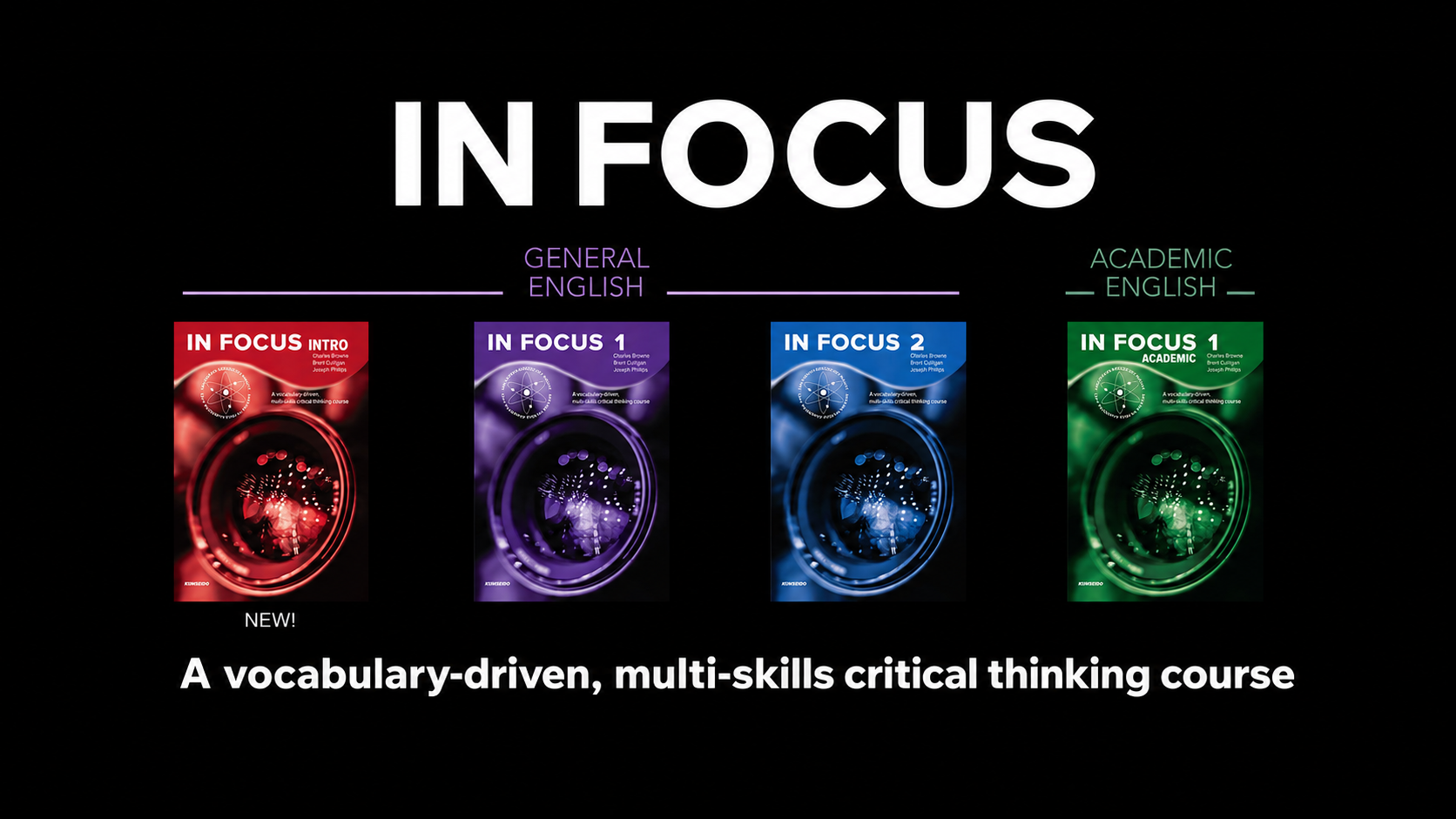
The lists are free to use, including commercially, and publishers and developers have built real products on them. In Focus, the four-level EFL textbook series Brent, Joe and I wrote for Kinseido, teaches the NGSL and NAWL through reading, discussion and critical thinking. Brent's NGSL puzzle workbooks are on Amazon, and EnglishCentral uses the lists to teach vocabulary through authentic video and to grade its video library.
Two more are coming: WordFish, a school-wide vocabulary platform built on the Browne Method, and a three-volume TOEIC series teaching all 1,250 words of the TSL alongside companion graded readers.
Built, funded and maintained by me
The New General Service List Project began in 2013, when Brent Culligan, Joseph Phillips and I published the first two lists. Since then Brent and I have developed 7 additional lists and a host of online tools. I later created the NGSL Profiler and a number of AI-powered tools on my own and for the past 13 years have built, maintained and funded this site and its various domains.
The commitment to free access goes back further. When NHK's Eigo Shaberenaito commissioned a business English word list for their TV program, I halved my fee in exchange for the right to release the list publicly. That list became the BSL, and it's still free today.
I also do this work professionally, for publishers and edtech companies who need corpus research, word lists, assessment, or AI-powered content at scale.
- Dr. Charles Browne